The Greater Good Science Center (GGSC) at my alma mater, the University of California, Berkeley, is known as a “mecca” for positive psychology. It conducts scientific research on mindfulness, gratitude, compassion, empathy, trust, and other concepts, and shares concrete practical methods for building a “greater good” with the world. Since this trend in psychology has had a profound influence on me, I’ve long wanted to share insights from this field. Since it isn’t part of the regular curriculum, I started it as a sort of “unofficial seminar”—an extension of the “Otona no Terakoya” program I’ve been running for some time.
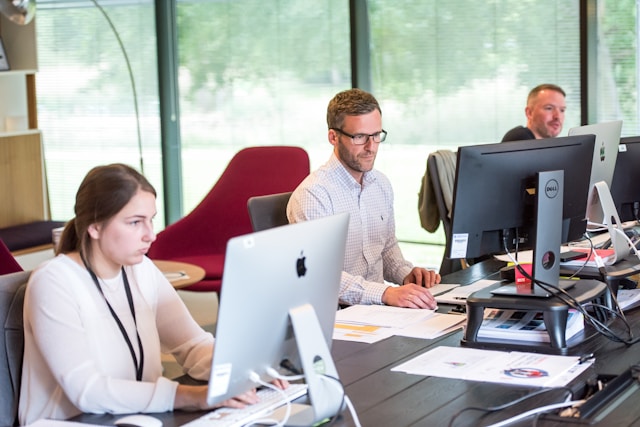
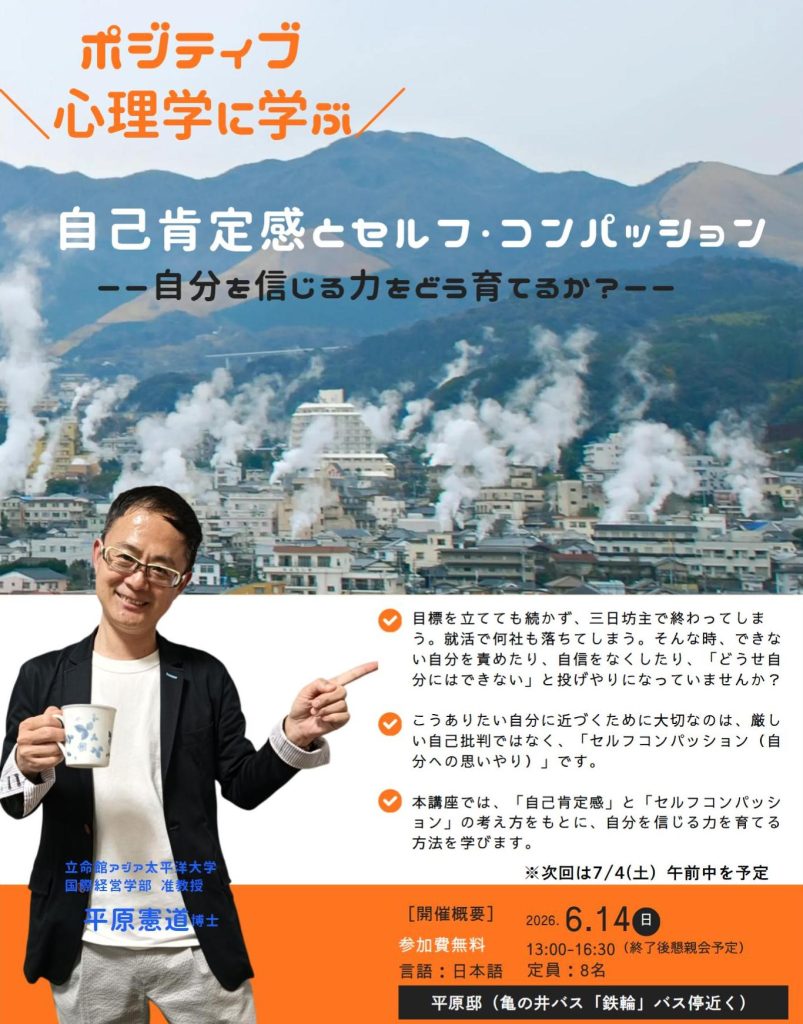
The themes of this session were “self-esteem” and “self-compassion.” While Japanese youth are well-known for having low self-esteem in international comparative studies, I explained the reasons behind this and ways to address it, drawing on research findings in social cognitive psychology and developmental psychology. I also explained the theory of self-compassion—which is closely related to these issues—and led a workshop where participants could experience how to cultivate it. The session was very well-received, with participants noting that they could “put these techniques to use right away.”
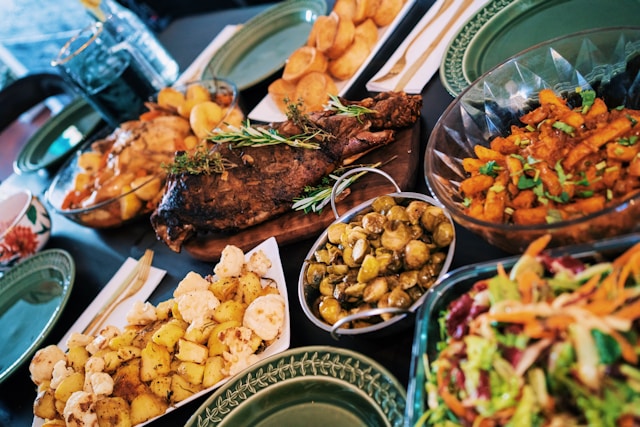
After that, we held a social gathering where everyone cooked together using the ingredients they had brought. It seems the participants went home very satisfied.
私の母校、カリフォルニア大学バークレー校にある「GREATER GOOD SCIENCE CENTER (GGSC)」はポジティブ心理学の「聖地」として知られています。マインドフルネス・感謝・慈悲心・共感・信頼などを科学的に研究し、「より良い社会(GREATER GOOD)」を築くための具体的な実践方法を世界へ発信しています。私も強い影響を受けた心理学の潮流ですので、この分野の知見を紹介したいとずっと思っていました。正規の講義にはないので「裏ゼミ」のような形で、以前から行ってきた「おとなの寺子屋」の延長で始めました。
今回のテーマは「自己肯定感」と「セルフ・コンパッション」。国際比較調査をすれば自己肯定感が低いことで有名な日本の若者ですが、その理由や対処法を、社会認知心理学や発達心理学の研究成果を元に説明しました。また、そこにも関わってくるセルフ・コンパッションの理論を説明しつつ、ワークショップを通じてそれを身に付ける体験も行いました。「すぐにでも使える」と大変好評でした。
その後は皆で持ちよった食材で料理をしながら懇親会。参加者も大満足で帰ったようです。