素材記事: https://www.forbes.com/sites/michaeltnietzel/2026/09/02/uc-berkeley-graduates-the-most-startup-founders-heres-the-rest-of-the-top-20/
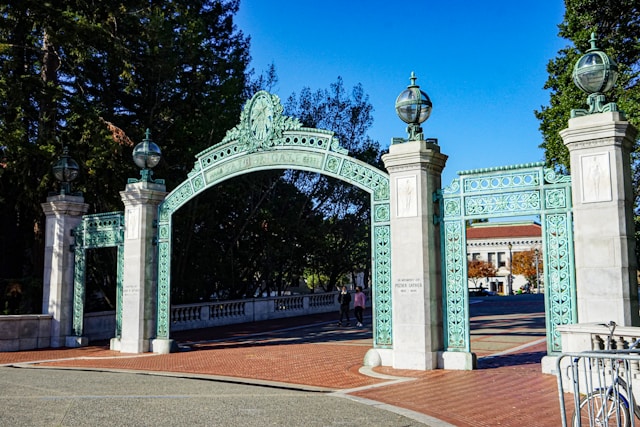
素材写真:Photo by Vitaly Gariev on Unsplash
I’m citing this as food for thought because it sheds light on the role of universities and graduate schools in societal innovation. UC Berkeley ranked first in the U.S. for the fourth consecutive year in terms of “the number of undergraduate alumni who are startup founders backed by venture capital firms.” (In a similar ranking released later, it was upgraded to “number one in the world.”)
In comparison, “Stanford tops graduate founders and Harvard leads MBA alumni, underscoring a robust entrepreneurial spirit across U.S. higher education.” When a similar list is compiled for graduate school alumni, Stanford ranks first in the number of startup founders backed by venture capital, while Harvard takes the top spot when the same analysis is applied to MBA alumni. This contrast is quite interesting.
Of course, all of these are world-class elite universities, and all three appear on every list, but Berkeley stands out not for “specialized education” at grad schools, but for “undergraduate education that is interdisciplinary and fosters more free-flowing interaction.” It feels like a mix of diversity and a melting pot that embraces chaos… As a CAL alumnus, I absolutely understand that.
As we move deeper into the AI era, we’re entering a time where we’re no longer bound by departmental silos—an era where “humanities” students can build information systems easily, while “science” students need philosophy. On top of that, it’s an era where Japanese companies need to create services that appeal to Namibians. In short, the explosion of talent depends on how well we can blend outstanding, diverse, and ambitious young people.
It’s certainly fine to pay high tuition fees for graduate school to produce top students and help them build professional networks there, but now that AI is advancing and the trend toward specialized education is likely to weaken, I believe there are more and more things that need to be done at the undergraduate level.
社会でのイノベーションにおける大学や大学院の役割が透けて見えるため、考える素材として引用します。UCBerkeleyが、4年連続で“巨大ファンドを扱うベンチャーキャピタルから支援される学部卒のスタートアップ起業家数”で全米1位となりました。(後日の類似ランキングでは「世界一」に格上げされた。)
それと比較すると、「Stanford tops graduate founders and Harvard leads MBA alumni, underscoring a robust entrepreneurial spirit across US higher education」でして、大学院卒で類似リストを作ると、ベンチャーキャピタルに支援されるスタートアップ起業家数はスタンフォードが1位になり、今度はMBAを取得した生徒で類似調査をすると、ハーバードが1位になるのです。この差が面白いですね。
無論どこも世界的なエリート大学だし、どのリストにも3校が全て入っているんですが、「専門家教育」ではなく、「横断的に、より縦横無尽に交わりやすい学部教育」でBerkeleyが抜きん出るんですよね。カオスを包む多様性とごった煮…という感じでしょうか。卒業生としてはごっつ分かる気がする。
今後ますますのAI時代においては、学部ごとの縦割りではなく、「文系」だろうが情報システムが組める時代であり「理系」だろうが哲学が必要になる時代です。おまけに、ナミビア人に売れるサービスを日本企業が作るべき時代。つまり、いかに優秀で多様で覇気のある若者を上手く混ぜることができるかに、才能爆発はかかっている。
高い授業料を払って大学院教育で秀才を作り人脈を作ってもらうのもよいのですが、AIが強化されて専門家教育への志向が弱体化する可能性が推測される今、手前の学部段階でやるべきことがますます出てくると思いますね。